

Lollipops are often promoted online as a “weight loss hack.” The idea sounds appealing: they’re low in calories, take a long time to eat, and supposedly curb cravings. This has led many people to ask an increasingly common question—are lollipops actually good for weight loss? Let’s take a look at “the rest of the story.”
At first glance, the idea seems harmless. A typical lollipop contains fewer than 60 calories and no fat. Compared to the calories found in cookies, chocolate bars, or pastries, that sounds like a win. But when we examine the issue through a functional medicine lens, the answer becomes shaded, very cloudy.
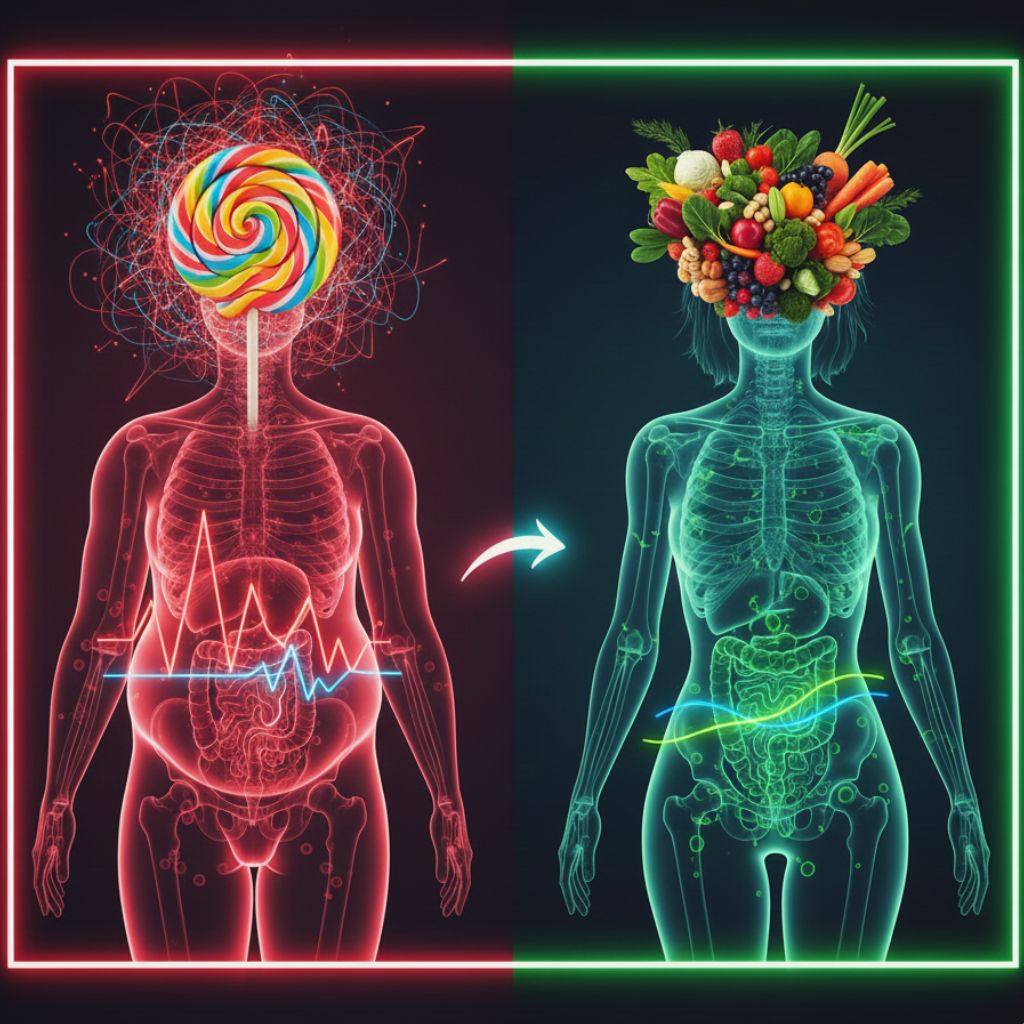
Weight loss is not driven by calorie count alone. Blood sugar levels, hormones that control hunger, insulin response, gut health, and lifestyle habits all play major roles. When viewed through this broader framework, lollipops are far less helpful than they appear. In fact they become problematic in the long term. Let’s break it down carefully.
The Calorie Argument: Why It Sounds Convincing (But Is Incomplete)
People who support lollipops for weight loss often focus on one point: they are low in calories. That single vision is a common mistake. A standard lollipop may contain 40–60 calories, which is significantly lower than most desserts or snack foods made with junk food ingredients.
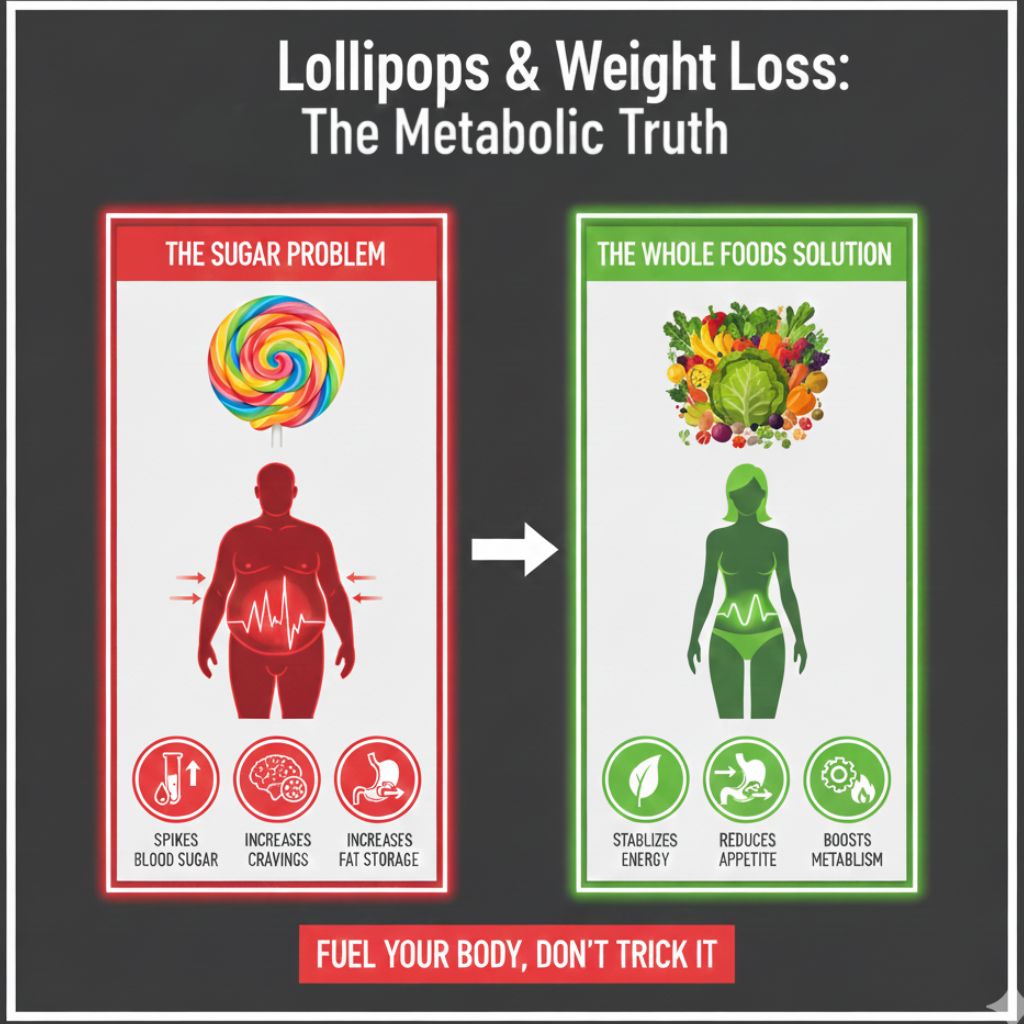
However, calories are only one part of the formula for losing weight. The type of food the calories are drawn from and how they affect metabolism matter more.
Lollipops are almost made of refined sugar (usually glucose, sucrose, or corn syrup) and other artificial ingredients.
They contain:
- No fiber
- No protein
- No fat
- No vitamins, minerals or micronutrients
This means they are digested quickly and have a high glycemic impact, despite their low calorie count. This simply means they spike blood sugar levels.
Low-calorie foods do not automatically mean they will break down food safely or the type of calories the body requires.
Blood Sugar and Insulin: The Core Problem
Refined sugar causes a rapid rise in blood sugar levels. In response, the body releases insulin—a hormone that helps move sugar out of the bloodstream and into cells.
Up and down insulin spikes and drops even from small amounts of sugar, can:
- Increase hunger shortly after consumption
- Promote fat storage over fat burning
- Confuse appetite-regulating hormones like leptin and ghrelin
While one lollipop may not cause immediate harm, using them repeatedly to suppress appetite works against long-term metabolic health.
Ironically, the blood sugar crash that follows a sugar spike often increases cravings later, especially for more refined carbohydrates or sweets. This is the opposite of what most people want when trying to lose weight.
Do Lollipops Actually Reduce Appetite?
Some people report that sucking on a lollipop helps them “get through” cravings. This effect is more behavioral than physiological.
Lollipops may temporarily:
- Occupy the mouth
- Provide sensory stimulation
- Delay eating for a short time
However, they do not satisfy hunger cravings. Satisfying hunger cravings comes from: Whole food, fiber and nutrient rich carbohydrates. These carbs slow digestion and are the best food source to stabilize blood sugar levels.
Protein (also stabilizes blood sugar), Fat (which supports production of fullness hormones), Sugar alone does none of these. In fact, sugar increases appetite once its effects wear off.
From a functional medicine model, appetite suppression through sugar is short-lived and harmful long term.
The Craving Loop: A Hidden Risk
One of the biggest problems with using lollipops for weight loss is the reinforcement of a dependence on sugar. Each time sugar is used to manage hunger or emotions, it strengthens the brain’s reward system associated with sweets.
Over time, this can:
- Increase food cravings rather than reduce them
- Increase cravings for more refined carbohydrates
- Make whole foods feel less satisfying
- Encourage emotional or habitual eating
Weight loss is permanent when cravings decrease—not when they are repeatedly stimulated in smaller doses.
Dental Health, Inflammation, and Gut Effects
There are also secondary health problems that indirectly disrupt weight regulation. Lollipops:
- Increase sugar released in the mouth, increasing cavity risk
- Contribute to low-grade inflammation throughout the entire body when consumed regularly
- Provide no support for gut microbiome diversity and feed harmful gut bacteria
Chronic inflammation and poor gut health are increasingly recognized as contributors to weight gain, insulin resistance, and metabolic dysfunction. While one lollipop is not an issue, regular consumption of lollipops increases sugar levels without any nutritional value and adds metabolic stress over time.
Better Alternatives for Craving Control
If the goal is appetite management and long term weight loss, there are far more effective and delicious natural options. Examples:
- Whole food, fiber rich foods (fruit, vegetables, beans, legumes, raw nuts and seeds)
- Herbal teas or broth for oral satisfaction
- Frozen fruit or freeze dried fruit
These options support blood sugar stability, gut health, and feeling satisfied —key drivers of long-term weight control.
Functional Medicine Viewpoint
Weight loss is not about tricking hunger—it’s about creating a healthy, internal environment, for long term weight loss. When blood sugar is stable, inflammation is low, gut health is strong, hunger is satisfied and cravings naturally decrease.
This is why whole-food dietary habits always outperform quick fixes in the long run. Lollipops do not support a healthy internal environment. At best, they may provide a quick fix. However, they quietly disturb normal body function and they disrupt long term weight loss.
Conclusion: Are Lollipops Good for Weight Loss?
Lollipops are not a healthy weight loss tool. While they are low in calories, they:
- Spike blood sugar
- Trigger insulin release
- Fail to promote true hunger satisfaction
- Promote sugar cravings
Weight loss is driven by hormonal balance, metabolic health, and healthy lifestyle habits—not by sugar-based appetite suppression. If weight loss is the goal, focusing on whole foods balanced meals, gut health, and daily movement will always outperform candy-based shortcuts.
The takeaway is simple: lollipops may be small, and appear harmless but their long-term impact is detrimental. Long-term health and permanent weight loss are built on healthy lifestyle habits—not quick fixes distractions.