
Recently, cupping therapy has grown in popularity, thanks in part to athletes, celebrities, and wellness influencers showing off those small circular marks on their backs. Traditionally used in Chinese and Middle Eastern medicine to relieve pain, improve circulation, and support healing, cupping is now being discussed for something new: weight loss.
Many people claim they feel lighter, less bloated, and more energized after a cupping session—but can cupping actually help you lose weight?
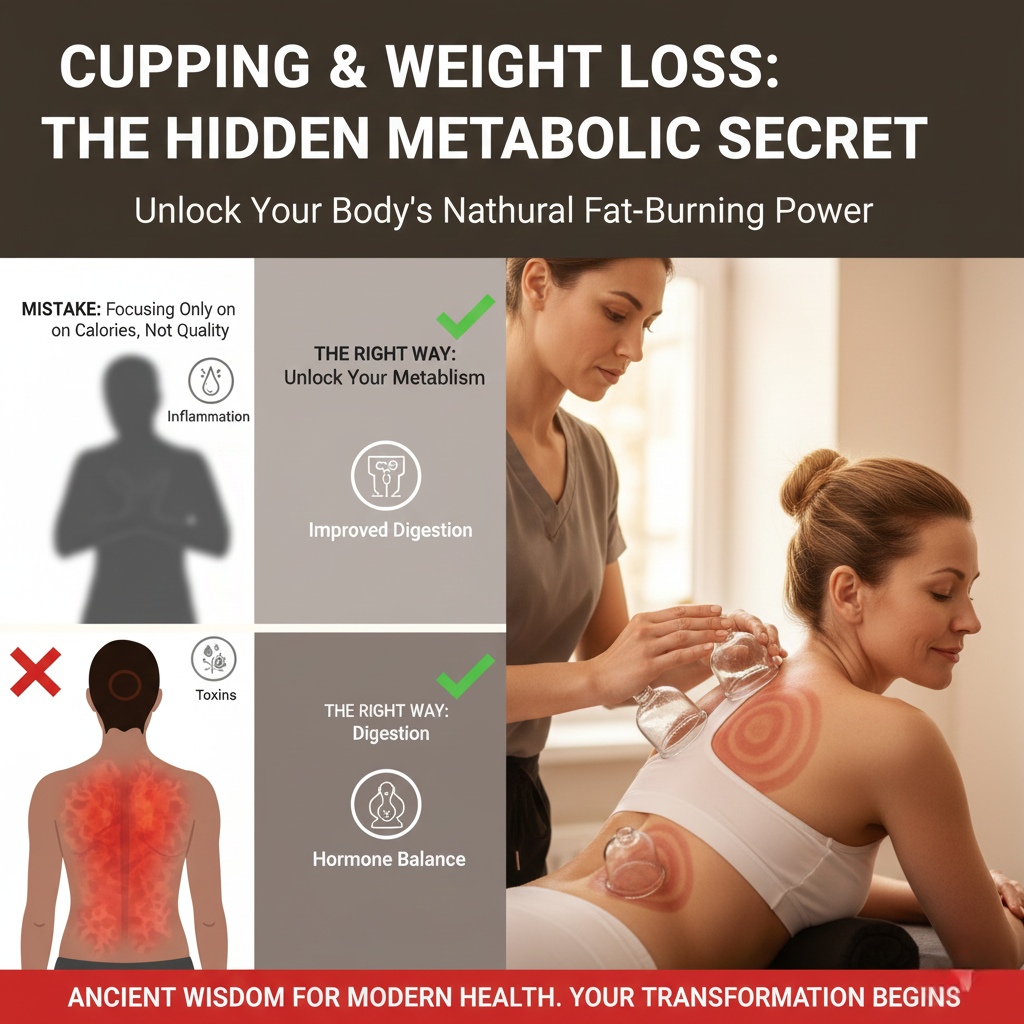
The short answer is yes, cupping can support weight loss, but not because it directly melts fat. Instead, cupping influences the deeper systems that control inflammation, digestion, metabolism, and stress—all major factors in stubborn weight.
Can Cupping Help Weight Loss?
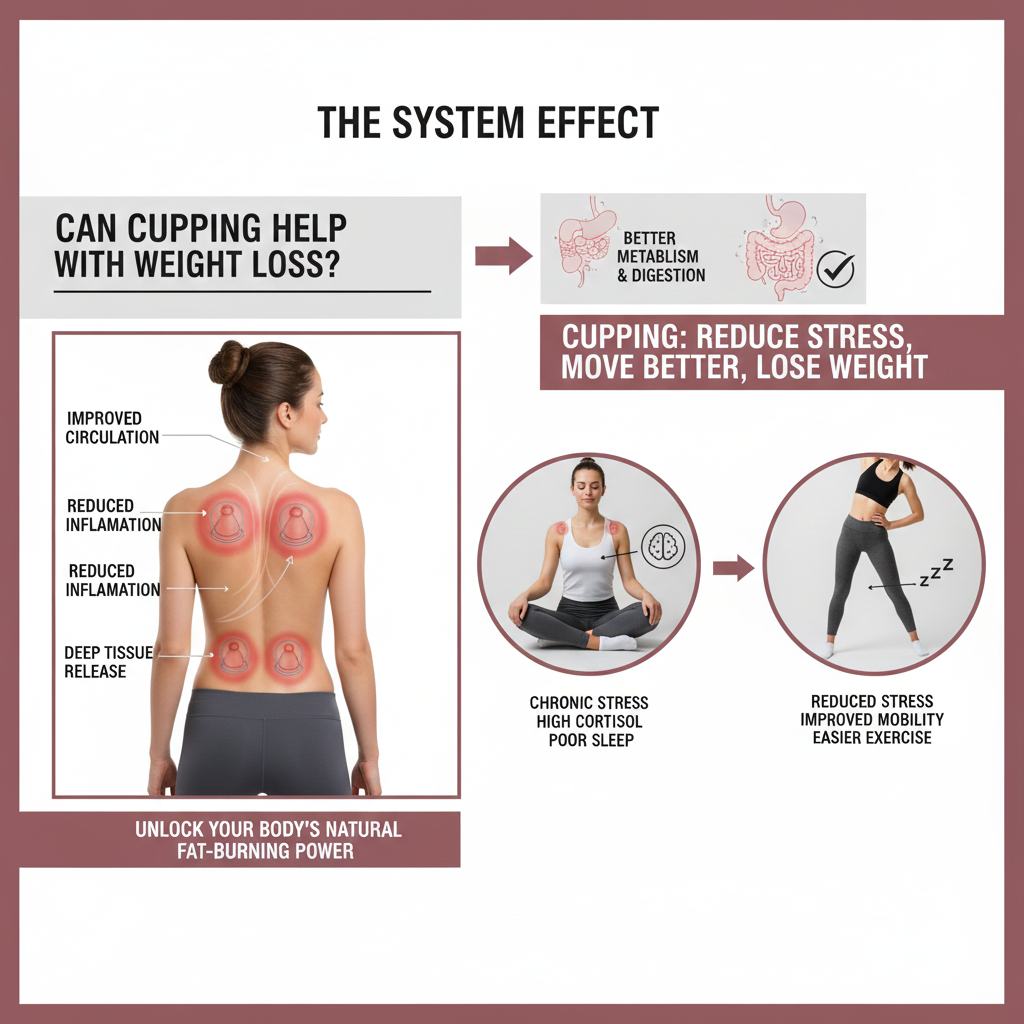
Cupping doesn’t burn fat the way exercise does, but it can create conditions inside the body that make weight loss easier and more doable. When suction is applied to the skin, blood flow increases in the area, lymphatic fluid begins to move, and deep tension in the muscles and fascia is released. This combination improves circulation, reduces inflammation, and supports better organ function.
While cupping isn’t a standalone weight loss therapy, many people find it reduces bloating, improves digestion, and boosts their energy—all things that indirectly promote weight loss. By improving the body’s internal systems cupping helps people stick to healthier habits, manage stress, and move more comfortably, which together promote fat loss over time.
How Cupping Improves Circulation and Metabolism?
Weight loss is closely tied to metabolic efficiency. Poor blood circulation can slow the metabolic rate, decrease nutrient absorption, and trigger fatigue. Cupping works by increasing blood flow to targeted areas, increasing oxygen and nutrients into the tissues and at the same time eliminating waste products.
Better circulation helps improve metabolic function and enables cells to use energy more efficiently. Some practitioners apply cupping to areas like the abdomen or thighs to stimulate lymphatic drainage. The lymphatic system plays a major role in detoxifying the body and reducing chronic inflammation—two hidden factors that slow down metabolism.
To understand how circulation affects weight, consider this comparison:
Table 1: Circulation and Metabolism Before vs. After Cupping
| Body Function | Before Cupping | After Cupping |
| Blood Flow | Sluggish, restricted | Increased oxygen-rich circulation |
| Metabolism | Slow, energy dips | More active and efficient |
| Inflammation | Higher, blocks fat loss | Reduced, supports healing |
| Cellular Energy | Low nutrient delivery | Enhanced nutrient uptake |
Better circulation doesn’t directly cause weight loss, but it improves the body’s ability to function optimally—making fat loss far more attainable.
The Role of Cupping in Reducing Stress, Cortisol, and Emotional Eating
One of the most important—and overlooked—factors in weight gain is stress. When the body is under chronic stress, cortisol levels rise. Elevated cortisol leads to increased belly fat, food cravings, and poor sleep. Cupping therapy stimulates the parasympathetic nervous system, which helps the body shift from fight-or-flight mode into a relaxed mode.
As muscle tension melts and circulation improves, many people report immediate relief from physical and emotional stress. This shift plays an important role in reducing emotional eating, balancing appetite hormones, and improving sleep quality—three powerful components of weight loss.
Cupping also helps break up fascial restrictions in the upper back and shoulders, where people often carry stress. When these areas relax, the entire body feels calmer, and the mind becomes clearer. Reduced stress doesn’t burn calories, but it creates a healthy environment where fat loss becomes biologically possible.
Cupping and Digestion: A Hidden Key to Weight Loss Success
A sluggish digestive system can prevent weight loss even in people who eat well. Poor bowel function, bloating, constipation, and decreased nutrient absorption slow down metabolism. Cupping, especially abdominal cupping, helps activate digestive organs by improving circulation to the stomach, intestines, and liver.
Increased blood flow helps the digestive tract digest food more efficiently and move waste out of the body. Many people notice less bloating and improved regularity after a few cupping sessions.
Here is a breakdown of how cupping impacts digestion:
Digestive Benefits Connected to Weight Loss
| Digestive Function | Impact of Cupping |
| Bloating | Reduced through lymphatic drainage |
| Constipation | Improved motility and movement |
| Nutrient Absorption | Enhanced due to better blood flow |
| Gut Inflammation | Lowered, helping metabolism |
A healthy digestive system is essential for stable energy, fewer cravings, and easier appetite control. Cupping doesn’t replace dietary changes, but it improves digestion enough to make healthier eating more rewarding.
Cupping Helps Relieve Pain and Improve Mobility — Making Exercise Easier
Chronic pain is one of the most common barriers to weight loss. People who struggle with back pain, hip tension, shoulder stiffness, or leg discomfort often find it difficult to exercise regularly. Cupping helps by releasing deep muscle tension and breaking up tight fascia—the connective tissue surrounding the muscles.
This relief allows the body to move more easily and comfortably, making physical activity more enjoyable. When exercise becomes easier, it promotes a routine , and weight loss happens naturally.
Patients often describe cupping as “unlocking” tight areas, giving them the freedom to walk longer, stretch deeper, and workout more frequently. This increase in routine activity is one of the most practical ways cupping supports long-term weight loss.
Why Cupping Supports Natural, Sustainable Weight Loss?
The real value of cupping is in its ability to promote a healthier internal environment. It doesn’t force weight loss; it allows weight loss to happen naturally. Cupping reduces inflammation, improves nerve flow, balances stress hormones, promotes better digestion, and relieves pain. The bottom line is it helps the body return to a state of internal balance.
Once the body feels less stressed, less inflamed, and more mobile, people can make better choices. They pay attention to what they eat everyday, move more, sleep better, and experience fewer food cravings. These shifts may sound small, but together they form the foundation for long term fat loss.
Cupping also compliments other natural therapies—nutrition, functional medicine, physical therapy, chiropractic adjustments, massage, herbal detoxification, and acupuncture. When combined, these therapies create a comprehensive approach supporting the body as a whole rather than focusing on one symptom.
Conclusion
Cupping is not a magic weight-loss treatment, but it is a powerful adjunct therapy that helps the body work the way it was designed to. By improving circulation, reducing inflammation, stimulating digestion, lowering stress, and enhancing mobility, cupping addresses the hidden underlying causes that make weight loss difficult or even impossible.
The key to effective, long-term weight loss is creating an internal environment where metabolism, hormones, and digestion work together. Cupping helps achieve this balance. When combined with healthy nutrition, personalized lifestyle changes, and regular movement, cupping becomes a dynamic tool for anyone seeking natural, long term weight loss.