
SIBO
Can SIBO Cause Headaches? A Functional Medicine Perspective
Written by Dr. James Krystosik · Published May 9, 2025 · Updated September 23, 2026
Functional Medicine Physician, Chiropractor, Author, Podcast Host · In practice since 1986

Dr. J’s quick answer: Some patients report headaches alongside SIBO, but an association does not prove that bacterial overgrowth is the cause. I first consider common headache triggers and warning signs, then investigate digestive symptoms when the full history points in that direction.
Headaches and digestive symptoms sometimes occur together. That observation is worth investigating, but it does not prove that SIBO caused the headache. Headaches are common and can be related to migraine, tension, dehydration, sleep loss, medication use, blood-pressure changes, anemia, infection, vision problems, or other medical conditions.
My approach is to keep both questions open: what type of headache is this, and is there a separate digestive disorder that needs attention?
Can SIBO Cause Headaches? The Gut-Brain Axis and Headaches
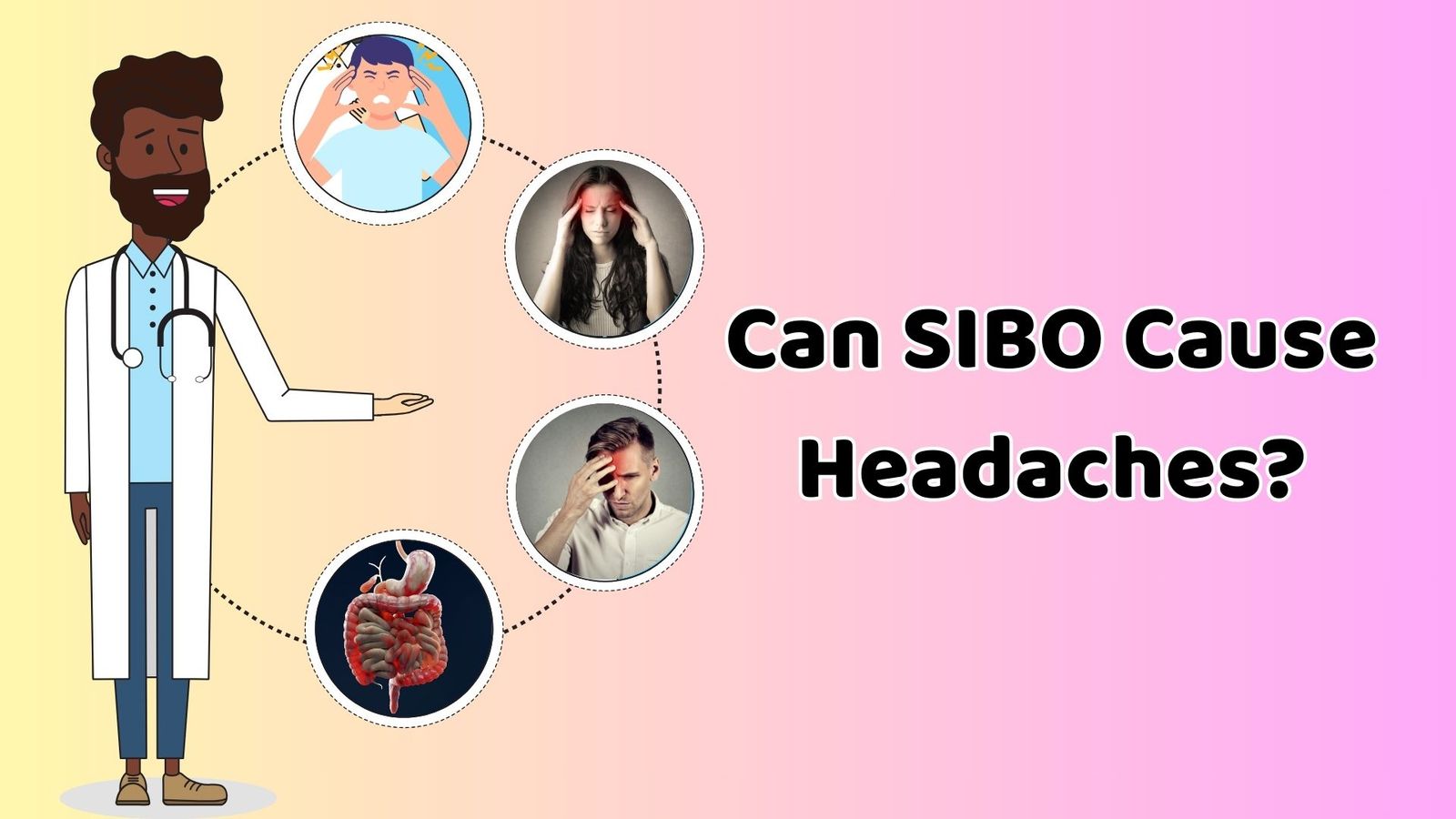
The gut and brain communicate through neural, immune, and hormonal pathways. That is biologically important, but the phrase “gut-brain axis” should not be used to turn every neurologic symptom into a gut diagnosis.
SIBO is defined by excessive microorganisms in the small intestine together with compatible symptoms. Its best-established symptoms are gastrointestinal, including bloating, abdominal discomfort, diarrhea, and—in methane-associated cases—constipation. Headache is not specific enough to diagnose SIBO.
Mechanisms: How SIBO May Trigger Headaches
Several indirect pathways are possible, although the evidence is still developing:
- Poor intake or dehydration: Nausea, diarrhea, restrictive diets, or fear of eating can reduce fluid and calorie intake.
- Sleep disruption: Pain, reflux, and nighttime bloating may worsen sleep, which is a common headache trigger.
- Nutrient problems: Severe or prolonged malabsorption can affect nutrients such as vitamin B12, but this should be confirmed with appropriate testing.
- Shared triggers: Stress, medication changes, dietary changes, or another condition may worsen both digestive symptoms and headaches.
D-lactic acidosis is a rare complication seen mainly in people with short-bowel anatomy; it should not be presented as the routine explanation for headache or brain fog in typical SIBO.
My Clinical Experience With SIBO-Related Headaches
In clinical practice, I have met patients whose headaches and digestive symptoms improved during the same period of care. That experience helps me ask better questions, but an individual outcome cannot prove cause and effect.
When someone has persistent bloating, altered bowel habits, and headaches, I document the timing carefully. I also review sleep, hydration, caffeine, medications, menstrual or hormonal patterns, blood pressure, and neurologic warning signs. If SIBO testing is appropriate, the result must be interpreted alongside the symptoms and the person’s risk factors.
Why the headache diagnosis still matters
Migraine and other headache disorders are real neurologic conditions, even when imaging is normal. Evidence-based headache treatment should not be dismissed as merely suppressing symptoms. The goal is to identify the headache pattern, screen for dangerous secondary causes, and then address any digestive condition on its own evidence.
Functional Medicine Approach to Gut-Related Headaches
I start with history and examination, not a predetermined supplement protocol. Depending on the case, evaluation may include standard blood work, medication review, headache assessment, and breath testing for SIBO. Routine commercial IgG food panels are not a substitute for diagnosing a food allergy or intolerance.
If SIBO is confirmed, treatment should be individualized. The ACG guideline discusses antibiotic therapy and the importance of addressing underlying causes; evidence for herbal regimens is more limited. Any antimicrobial—prescription or botanical—can cause side effects or interact with medication.
When to Seek Help for Headaches & Digestive Issues?
If you’re battling persistent headaches and experiencing digestive complaints—bloating, belching, constipation, or diarrhea—it’s time to dig deeper. A history of antibiotic use, a “Carbs from hell diet,” or food poisoning, can all trigger SIBO.
Seek urgent medical care for a sudden “worst headache,” a headache after significant trauma, new weakness or numbness, confusion, fainting, seizure, stiff neck with fever, vision loss, or a new headache during pregnancy. Digestive treatment should never delay evaluation of those symptoms.
Bottom line: SIBO and headaches may occur together, and treating a confirmed digestive disorder may improve overall wellbeing. Current evidence does not support telling every person with headache that SIBO is the root cause.
Join GUT RESTORATION COMMUNITY
Dr. J’s evidence-based perspective
In my clinical work, I treat symptoms as clues—not proof of a diagnosis. I listen to the full history, look for common and serious alternatives, and use testing when it can change the plan. I also avoid turning a short-term symptom diet into a permanent list of forbidden foods.
When to seek medical care
Contact a clinician promptly for blood in the stool, black stool, persistent vomiting, fever, dehydration, anemia, progressive trouble swallowing, severe abdominal pain, or unintentional weight loss. These are not symptoms to manage with diet or supplements alone.